











Understanding Bone Loss and Its Impact
At Perfect Pearls, we understand that bone loss can be a significant obstacle for those seeking dental implants. Whether caused by tooth loss, periodontal disease, or other factors, insufficient bone density can compromise the success of your implants.
That’s why we offer advanced bone grafting and sinus lift procedures to rebuild your jaw and create a strong foundation for your new smile. Learn how these procedures can help you achieve the lasting, beautiful results you deserve.
How does bone loss occur?
Bone loss is caused by both tooth loss and periodontal disease. You may not notice any difference straight after an extraction but over time your cheeks will become sunken and your appearance will age quickly. The good news is, bone grafting or bone regeneration and dental implants will prevent this from worsening.
The key to the success of a dental implant is the quantity and quality of the bone that it’s going to be fitted to. If the bone isn’t as strong as it should be, the implant won’t be sturdy enough to hold the crown and will result in a failed implant.
What happens in a bone graft?
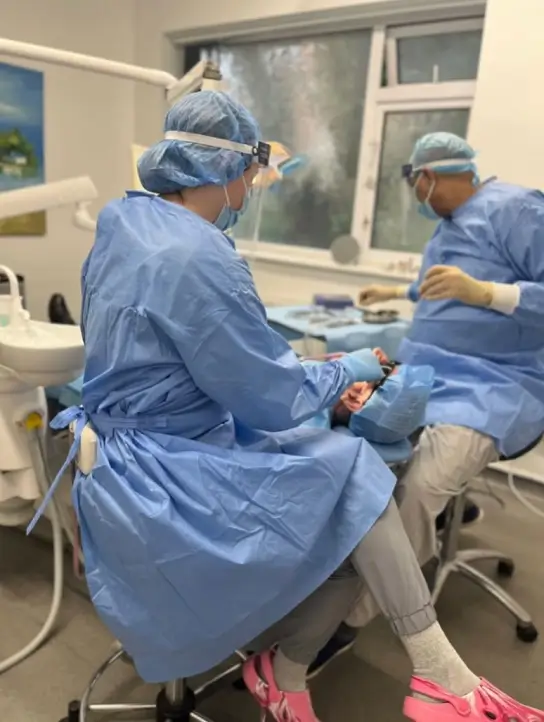
The oral surgeon will add a biocompatible bone grafting material to the area where there is significant bone loss. This new bone will need up to six months to fuse with any existing bone. Depending on how much bone is needed, your implant may be able to be fitted at the same time, or you may have to have it fitted in a separate appointment.
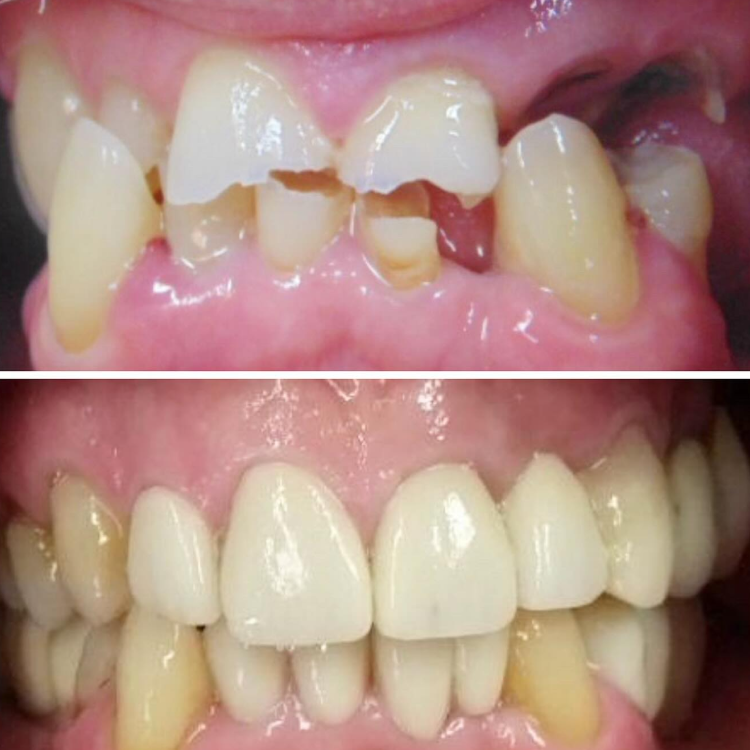
Some people suffer from bone loss following periodontal disease or the loss of a tooth. These people may think that their only option is to have dentures to replace their missing teeth but at Perfect Pearls, this is not the case. Our expert team are able to perform a procedure called a ‘bone graft’ which regenerates the bone, allowing them to have dental implants fitted.
What is bone grafting material made of?
Bone grafting material can be sourced from various biocompatible materials, including your own bone (autograft), donor bone (allograft), animal bone (xenograft) or synthetic materials.
Is bone grafting painful?
The procedure is performed under local anesthesia, so you won’t feel pain during the process. Post-operative discomfort is typically managed with pain medication.
How long does it take to recover from a bone graft?
Recovery time varies, but most patients experience minimal discomfort after a few days.